
Feeding A Growing Mind: How Nutrition Supports Brain Development
A child’s brain changes rapidly throughout childhood and adolescence. New neural connections form as children learn, practice skills, solve problems, and interact with others. Nutrition supplies the energy and nutrients required to support that development.

The Brain Needs a Reliable Energy Supply
Although the brain represents a relatively small portion of body weight, it requires considerable energy. Glucose is its primary fuel, but that does not mean children need a steady supply of sugary foods.
Meals containing whole grains, fruits, vegetables, protein, and healthy fats provide energy alongside nutrients needed elsewhere in the body. Regular meals can also prevent children from reaching lessons distracted by hunger.
Breakfast can be particularly useful before concentrated schoolwork. Eggs with whole-grain toast, oatmeal with fruit and nuts, or yogurt with berries provide more nutritional value than pastries or sugary cereals alone.
Certain Nutrients Have Important Jobs
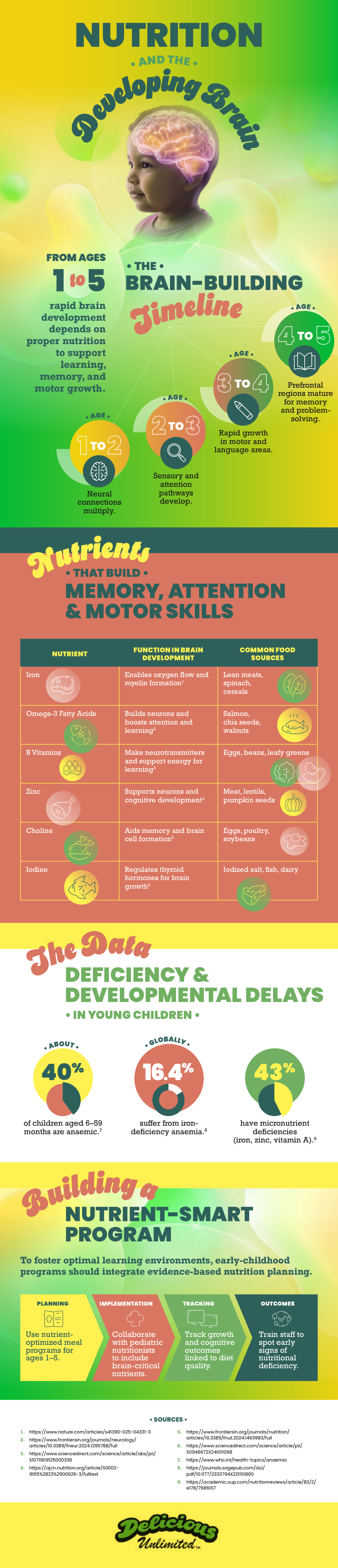
Brain development depends on many nutrients rather than one special “brain food.” Iron, for example, is involved in carrying oxygen through the body and supports neurological development. Sources include meat, beans, lentils, fortified cereals, and leafy green vegetables.
Omega-3 fatty acids also have roles in the brain. Fatty fish such as salmon and sardines provide DHA and EPA, while walnuts, chia seeds, and flaxseed contain ALA, another omega-3 fatty acid.
Other nutrients matter too. Eggs contain choline, which the body uses in processes involving cell membranes and neurotransmitters. Dairy products, fortified alternatives, meat, vegetables, fruits, legumes, and whole grains contribute additional vitamins and minerals required during growth.The practical lesson is simple: variety matters more than chasing a single nutrient.
Hydration Can Affect the School Day
Water is easy to overlook during a busy homeschool schedule. Children absorbed in reading, experiments, or computer work may go hours without thinking about drinking.
Keeping water accessible creates an easy solution. Younger children may benefit from scheduled water breaks, particularly after outdoor activities or exercise. Thirst, headaches, and fatigue can make focused schoolwork harder than it needs to be.
Sugary drinks should not become the default source of hydration. Water and milk can cover most everyday needs, depending on a child’s age and diet.
Build Better Habits Around the Learning Routine
Homeschooling gives families unusual flexibility around meals. Lunch does not have to fit into a short cafeteria period, and children can participate in planning and preparing food.
That participation can become educational. Younger students can measure ingredients or identify food groups. Older students can compare nutrition labels, calculate serving sizes, plan a grocery budget, or study how food is produced.
The same principles apply in group learning environments. Co-ops, preschool programs, and catering companies for daycares all have opportunities to make balanced meals and snacks part of a child’s routine.
Parents should also resist turning every meal into a nutrition lesson. Children need opportunities to develop comfortable relationships with food, including exposure to different flavors without constant pressure to eat particular items.
Look at the Whole Pattern
One imperfect breakfast will not determine how well a child learns that morning, just as one serving of vegetables cannot compensate for an otherwise limited diet. Nutrition works over time.
Families can focus on repeatable habits: offering varied foods, including protein and fiber in meals, making water readily available, and keeping nutritious snacks within reach. Children with allergies, medical conditions, restrictive diets, or concerns about growth may need guidance from a pediatrician or registered dietitian.
The developing brain depends on sleep, physical activity, learning experiences, social interaction, and nutrition working together. Food is one piece of that larger picture. To learn more about nutrition and the developing brain, look over the accompanying infographic below.

- What Toys Are Actually Worth It? 7 Toys Kids Can Enjoy for Years - October 24, 2026
- Morning Baskets with Teens - October 17, 2026
- 10 Fun Fall Book Crafts for Kids - September 17, 2026